
A City That Rebuilds: The Moments That Shaped Los Angeles

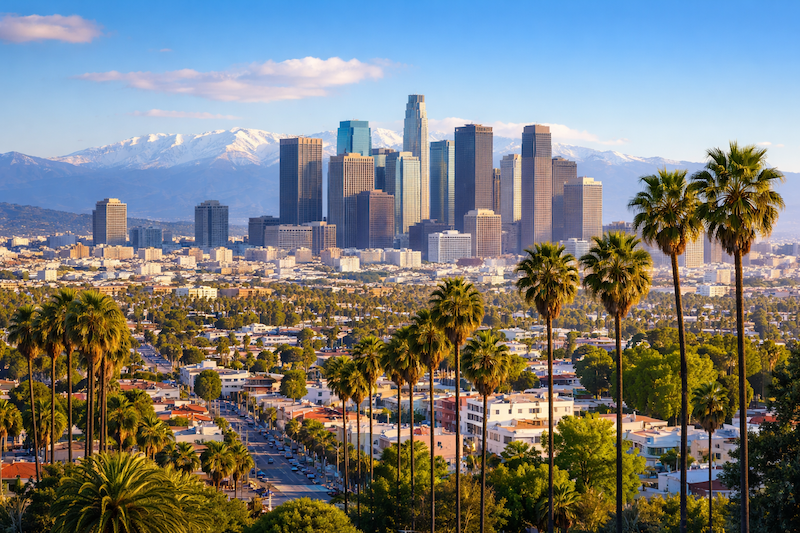
Los Angeles has never been a finished city.
It’s a place defined not just by growth and ambition, but by recovery. Over and over again, the city has been tested — by nature, by policy, by social rupture, by economic shifts. And each time, it has rebuilt itself in ways both visible and unseen.
To understand Los Angeles is to understand what it has endured.
Below are some of the moments that reshaped the city — and the rebuilding that followed.
1. The 1933 Long Beach Earthquake
Before modern seismic codes existed, the Long Beach earthquake exposed how vulnerable Southern California’s buildings really were. Schools collapsed. Infrastructure failed. But the rebuilding that followed led to California’s first major seismic safety regulations, forever changing how Los Angeles builds.
This was one of the city’s earliest lessons: rebuilding isn’t just about replacing what’s lost — it’s about building smarter.
2. The 1965 Watts Rebellion
The Watts uprising wasn’t caused by a single moment, but by years of systemic inequality, over-policing, and disinvestment. Entire neighborhoods were damaged, but the deeper impact was social.
Rebuilding here wasn’t just physical. It forced Los Angeles to confront race, equity, and access — conversations that continue to shape the city today.
3. The 1971 Sylmar Earthquake
The Sylmar quake struck critical infrastructure — hospitals, freeways, and utilities. Its aftermath led to major changes in hospital construction and freeway design, saving countless lives in later disasters.
Los Angeles learned that rebuilding must prioritize systems people rely on most.
4. The 1984 Olympics Transformation
Hosting the Olympics forced LA to rethink transportation, global identity, and urban investment. While not a disaster, it was a pressure test.
The city rebuilt its image, its infrastructure, and its confidence on a global stage — setting the tone for LA as a modern, international city.
5. The 1992 Los Angeles Uprising
Following the Rodney King verdict, large parts of the city burned. Businesses were lost. Trust was shattered.
The rebuilding that followed exposed hard truths: physical reconstruction without social repair isn’t enough. Many neighborhoods rebuilt unevenly, and the consequences of that imbalance are still felt.
6. The 1994 Northridge Earthquake
The Northridge earthquake struck without warning, collapsing freeways, destroying homes, and causing billions in damage.
But it also triggered one of the most aggressive rebuilding efforts in LA history. Freeways were reconstructed ahead of schedule. Building codes were strengthened. Entire neighborhoods adapted.
Northridge became a defining example of LA’s ability to rebuild at scale under pressure.
7. Economic Recessions and Housing Crises
From the early 1990s recession to the 2008 financial collapse, Los Angeles has repeatedly had to rebuild its economy.
Housing markets crashed. Jobs disappeared. Communities were displaced. Each recovery reshaped where and how people live — often unevenly, often painfully.
Rebuilding here remains an ongoing challenge.
8. Droughts and Environmental Stress
Long before climate change became a mainstream conversation, Los Angeles was rebuilding its relationship with water.
Aqueducts, conservation efforts, and environmental reforms reflect a city constantly adapting to scarcity — learning that rebuilding must include sustainability.
9. Wildfires and Climate Reality
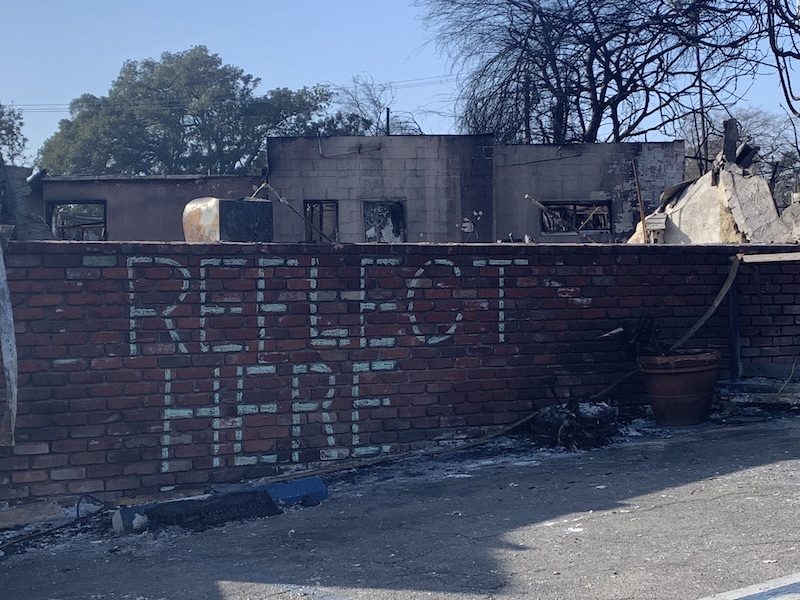
Fires have become an increasingly familiar threat. Hillsides, homes, and ecosystems have been lost.
Each fire forces Los Angeles to rethink land use, emergency response, and how rebuilding intersects with climate resilience. The city is learning — sometimes slowly — that the future requires new approaches.
10. A City in Constant Change
Beyond singular events, Los Angeles is always rebuilding in quieter ways: neighborhoods evolving, transit expanding, communities organizing, cultures blending.
Rebuilding here isn’t a reaction — it’s a condition.
Why This History Matters
Los Angeles doesn’t rebuild because it wants to. It rebuilds because it has to.
Each moment leaves a mark — on policy, on architecture, on memory. Together, they form the foundation of the city we live in now: resilient, imperfect, layered, and unfinished.
RebuildingLA exists because this story deserves to be told with context, care, and honesty. Not just what was lost — but what was learned. Not just what was rebuilt — but who benefited, and who didn’t.
Los Angeles is still becoming. And rebuilding is how it gets there.