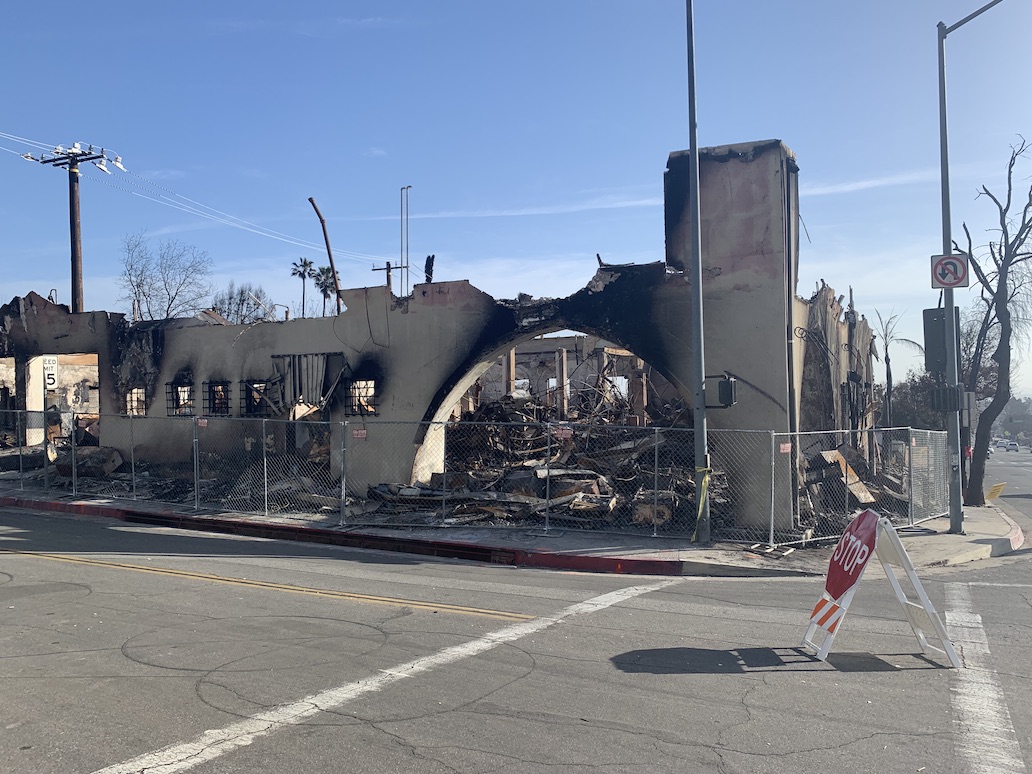


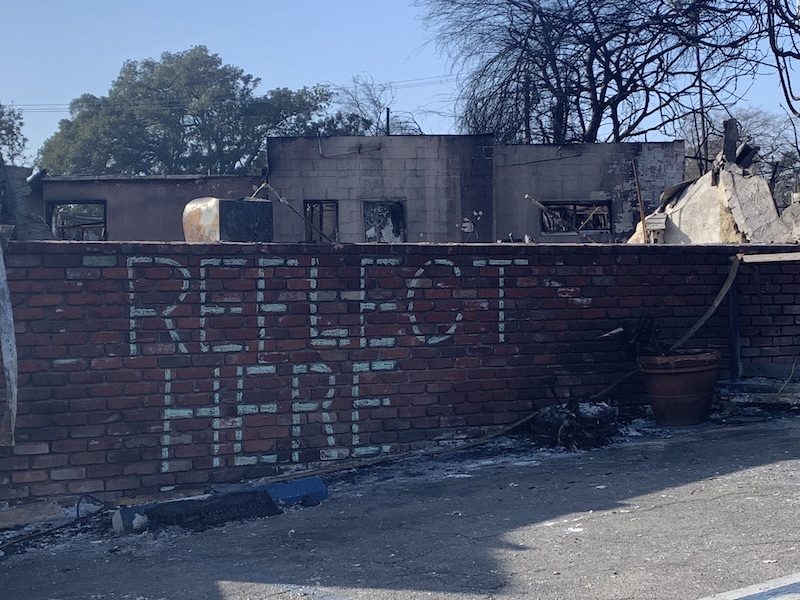
On January 7 , one year after the wildfires that reshaped large parts of Los Angeles, the city continues to live with their aftermath — not only in burned landscapes and rebuilt structures, but in policy changes, planning decisions, and long-term questions about resilience.
The fires of January last year were among the most destructive in recent Los Angeles history, destroying thousands of homes and structures across multiple neighborhoods and displacing tens of thousands of residents. While flames were extinguished within weeks, the recovery process has extended far beyond the fire lines.
Recovery and Rebuilding
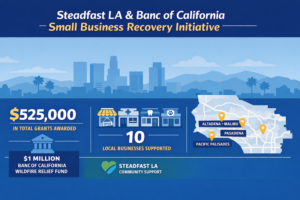
In the months following the fires, Los Angeles County and City agencies shifted from emergency response to long-term recovery. Temporary housing solutions, debris removal, and infrastructure repairs were followed by broader efforts to streamline rebuilding.
By mid-year, officials introduced updated permitting and inspection processes aimed at accelerating reconstruction while incorporating stricter fire-resilience standards. These changes reflected a growing recognition that rebuilding could not simply replicate what existed before — it needed to anticipate a future shaped by climate volatility.
Housing and Displacement
Housing recovery remains uneven.
While some homeowners have been able to rebuild or return, others continue to face insurance disputes, rising construction costs, and limited housing availability. Renters and lower-income residents were disproportionately affected, particularly in areas already facing housing insecurity before the fires.
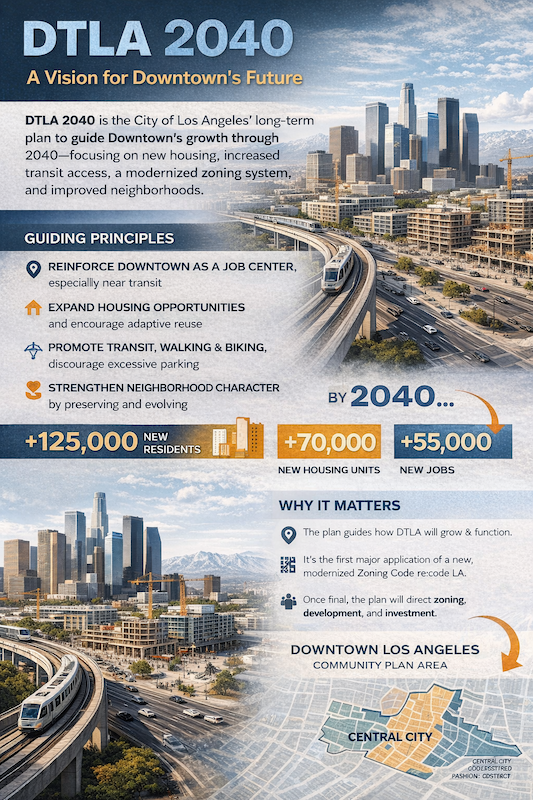
The fires intensified ongoing debates around land use, density, and housing supply — discussions now reflected in citywide planning efforts and legislative reforms moving into effect in 2026.
Infrastructure and Preparedness
One year later, infrastructure resilience has become a central focus.
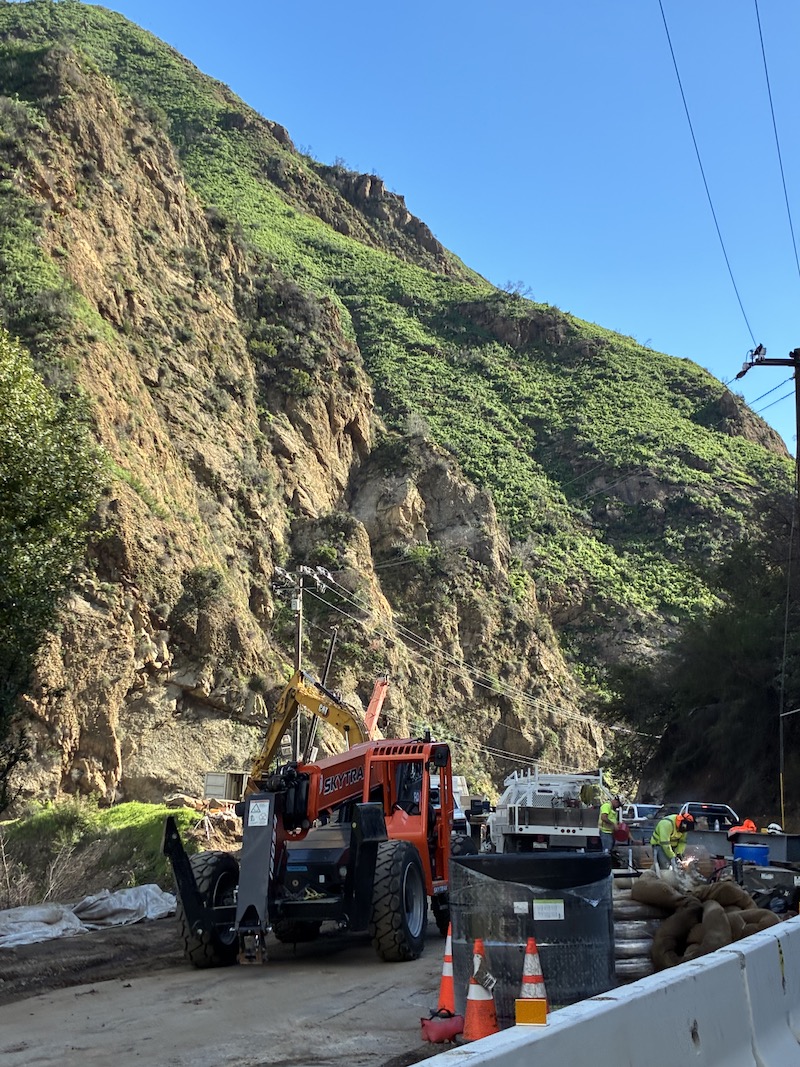
Utility hardening, vegetation management, evacuation planning, and emergency communication systems have all been reassessed. Transportation agencies, power providers, and planning departments have emphasized coordination, particularly as Los Angeles prepares to host global events later this decade.
The fires served as a reminder that recovery and preparedness are inseparable — rebuilding efforts now overlap with broader infrastructure investments underway across the region.
Environmental Impact
Beyond human displacement, the fires left lasting environmental consequences.
Burn scars altered watersheds, increased erosion risks, and affected wildlife habitats across the region. Restoration efforts continue, but ecologists warn that recovery will take years, if not decades, depending on rainfall patterns and future fire cycles.
Projects like wildlife corridors and landscape-scale planning have taken on renewed urgency as the city confronts the intersection of urban development and natural systems.
One year later, recovery in Los Angeles is no longer about emergency response — it’s about long-term responsibility.
A City Still in Process
One year later, Los Angeles is neither fully recovered nor standing still.
The fires accelerated conversations already underway about climate adaptation, land use, housing equity, and emergency response. They forced institutions, communities, and individuals to confront difficult questions about where and how the city builds — and for whom.
Recovery is ongoing, uneven, and complex. But it is happening.
As Los Angeles marks one year since the January fires, the focus has shifted from immediate loss to long-term responsibility: rebuilding in ways that acknowledge risk, protect communities, and recognize that resilience is not a finish line, but a continuous process.